In an era where information flows at unprecedented speeds and through countless channels, newsrooms across the country are facing a reckoning. The traditional models of journalism are being upended, and adaptation isn’t just recommended—it’s essential for survival.
Let’s dive into five uncomfortable but necessary truths that every news organization needs to embrace in 2025.
1. Today’s Journalists Are Content Creators (Whether They Like It or Not)
The days of journalists simply reporting stories for a single medium are long gone. In 2025, being a journalist means being a creator across multiple platforms.
You’re still dedicated to truth and accuracy—that hasn’t changed. But your work now exists in many forms: written articles, short-form videos, social media snippets, newsletter blurbs, podcast segments, and more.
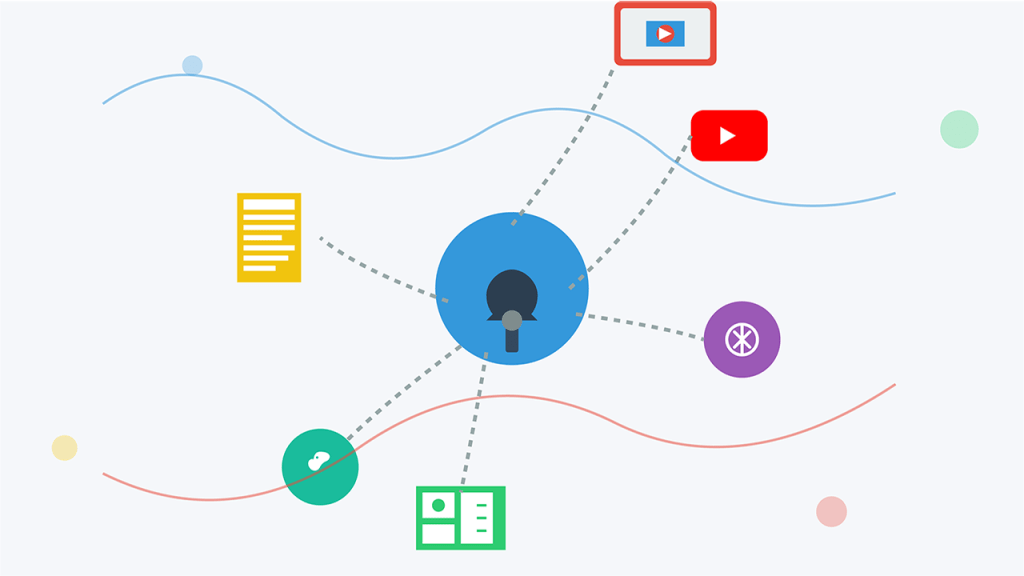
Most journalists understand this conceptually, but we’re only scratching the surface of what this means operationally. Newsroom digital ecosystems need to evolve to support this reality, providing the infrastructure, training, and workflows necessary for journalists to thrive in this multi-platform environment.
What this means for you: Evaluate how your newsroom supports content transformation. Can your reporters easily adapt their stories for different platforms? Do you have systems in place that reduce friction when repurposing content?
Does your newsroom need a coach to help you?
2. Local News Distribution Is About to Explode
Here’s something exciting: local news isn’t dying—it’s about to find new homes everywhere. Could we soon see news on Netflix, Max or even Amazon? My bet is yes! And sooner rather than later.
The appetite for trustworthy local content hasn’t diminished—it’s actually growing exponentially. What’s changing is how people access it. New distribution models are emerging rapidly, creating opportunities for newsrooms that position themselves strategically.
What this means for you: Start building relationships with non-traditional distribution partners now. Experiment with packaging your content in ways that could work on streaming platforms. Consider what makes your local coverage unique and how it might translate to these new channels.
3. Podcasting Isn’t Optional—It’s Essential for Financial Survival
Let’s talk money. The advertising shift we witnessed in 2024, with dollars moving from legacy media to podcasting? That was just the beginning.
I know that this seems extreme, but it’s less about podcasts and more about creating alternative inventory options for advertisers.
What we’re seeing now is merely a drizzle. By 2026, expect a flood of political ad spending flowing into podcasting, and by 2028, it will be a full-blown tsunami. The newsrooms that build their podcasting infrastructure now will be positioned to capture this revenue; those that don’t will be scrambling to catch up.
Have an alternative to your traditional ad placement options.
What this means for you: Develop at least 1-2 legitimate news-focused or public affairs podcasts in 2025. Focus on establishing efficient creation processes and workflows. And here’s the good news: you don’t need an expensive studio setup to get started. The key is building competency now before the advertising deluge arrives.
And, by the way, podcasting is a fantastic tool for both external content and internal comms.
4. YouTube Remains an Underutilized Goldmine
For younger audiences—Gen Z and Millennials specifically—YouTube isn’t just another platform; it’s effectively replaced traditional television. However, it operates with its own unique ecosystem and algorithmic rules that many newsrooms haven’t mastered.
Currently, most news organizations fall into one of three traps with YouTube: they over-curate their feeds to the point of paralysis, they move too cautiously to gain traction, or they indiscriminately dump all their content onto the platform without strategy.
The sweet spot lies somewhere in the middle—a thoughtful approach that respects YouTube’s distinct nature while leveraging your newsroom’s strengths.
What this means for you: Develop a YouTube strategy that balances quality with consistency. Study the platform’s algorithm and audience expectations rather than treating it like your broadcast channel’s website. Create content specifically for YouTube’s ecosystem, not just repurposed TV segments.
Why YouTube is so powerful is its stability, and its proven track record of monetization. It is the surest bet in digital.
5. Personalized Newsletters Are the Key to Audience Connection
People don’t form emotional connections with logos or institutional brands—they connect with individuals. This fundamental truth should guide your newsletter strategy.
Talent-driven, reporter-centered newsletters consistently outperform institutional ones because they foster personal connections. Readers feel like they’re getting insights directly from someone they trust and respect, rather than from a faceless organization.
What this means for you: Invest in newsletters that showcase your key journalists’ expertise and personalities. The good news? This doesn’t have to create additional work for your already-busy reporters. With the right systems and support, these personal newsletters can be integrated into existing workflows.
The Bottom Line: Adapt Now or Struggle Later
These five truths might be uncomfortable for traditional newsrooms to hear, but they represent both challenges and opportunities. The organizations that embrace these realities now—reconceptualizing journalists as creators, preparing for new distribution channels, building podcast infrastructure, developing YouTube strategies, and personalizing newsletters—will not just survive but thrive in the rapidly evolving media landscape.
The future of journalism isn’t bleak—it’s different. And different can be extremely profitable for those willing to adapt.
My name is Ryan, and I’ve been a digital newsroom leader for the past two decades. If your business could use some help maximizing content distribution and impact, I have a “done with you” approach as part of my business, Doable Digital Media. That means I help you and teach you simultaneously. Strengthens your team, and it saves you money! You can reach me at ryan@doabledigitalmedia.com or at 405.358.7184.